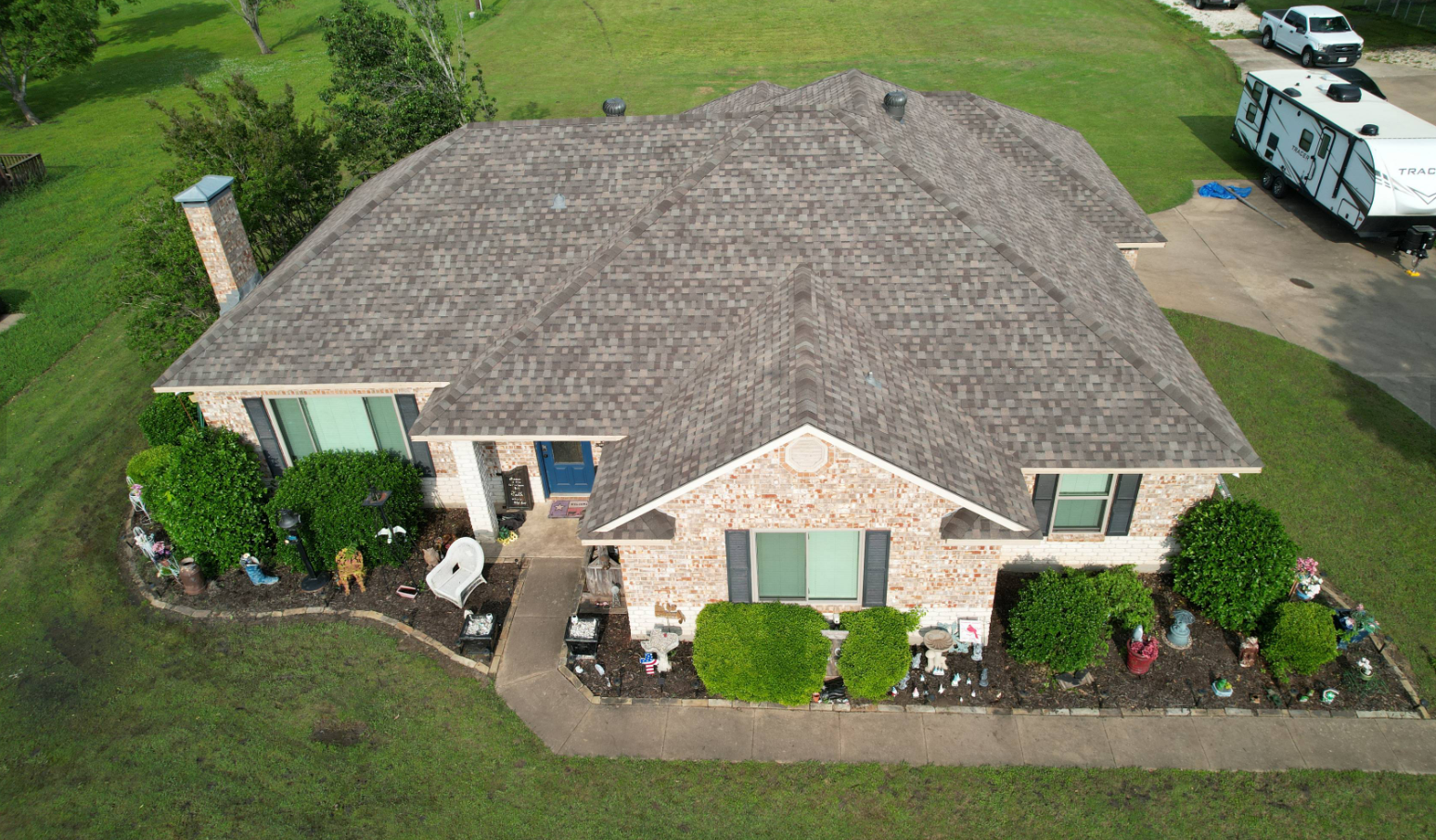
Fall Roof Maintenance
Brooke Douglas • September 9, 2024
Preparing Your Roof for the Colder Months

As the crisp air of fall begins to settle in, it's the perfect time to focus on preparing your roof for the upcoming winter. Fall is a critical season for roof maintenance because it allows you to address any issues before the harsh winter weather arrives. Taking the time to inspect and care for your roof in the fall can prevent costly repairs and ensure your home is well-protected during the colder months.
One of the most important tasks during fall roof maintenance is clearing away debris. Leaves, twigs, and other materials can accumulate on your roof and in your gutters, leading to clogs that can cause water to back up and potentially create leaks or ice dams. Make sure to thoroughly clean your gutters and downspouts to ensure that water flows freely away from your home. This will help prevent water damage and reduce the risk of ice buildup when temperatures drop.
In addition to cleaning your gutters, it’s essential to inspect your roof for any signs of damage or wear. Pay close attention to the condition of your shingles—look for any that are cracked, curling, or missing. Damaged shingles can allow water to seep into your home, leading to leaks and further damage. Replacing or repairing any compromised shingles before winter arrives is crucial to maintaining the integrity of your roof.
Another key area to check is the flashing around your roof’s vulnerable points, such as chimneys, vents, and skylights. Flashing is designed to seal and protect these areas from water infiltration, but it can become loose or deteriorate over time. Inspect the flashing to ensure it’s securely in place and free of cracks or gaps. If you notice any issues, have them repaired promptly to prevent water from seeping into your home during winter storms.
Fall is also an excellent time to assess your attic insulation and ventilation. Proper insulation helps keep your home warm in the winter by preventing heat from escaping through the roof. Adequate ventilation is equally important, as it allows moisture to escape from the attic, reducing the risk of mold growth and ice dam formation. If you notice any signs of inadequate insulation, such as uneven temperatures in your home or unusually high heating bills, consider adding more insulation to keep your home energy-efficient and comfortable.
Lastly, consider trimming any overhanging tree branches near your roof. Heavy branches can break under the weight of snow and ice, potentially causing significant damage to your roof. By trimming them back in the fall, you can minimize the risk of branches falling onto your roof during winter storms.
By taking these proactive steps in the fall, you can ensure that your roof is in optimal condition to withstand the challenges of winter. Regular fall maintenance not only protects your roof but also helps extend its lifespan, saving you money in the long run. If you’re unsure about any aspect of roof maintenance or spot signs of damage, don’t hesitate to contact a professional roofing contractor to assess your roof and provide the necessary repairs. Preparing your roof in the fall means peace of mind when winter arrives, knowing your home is well-protected against the elements.
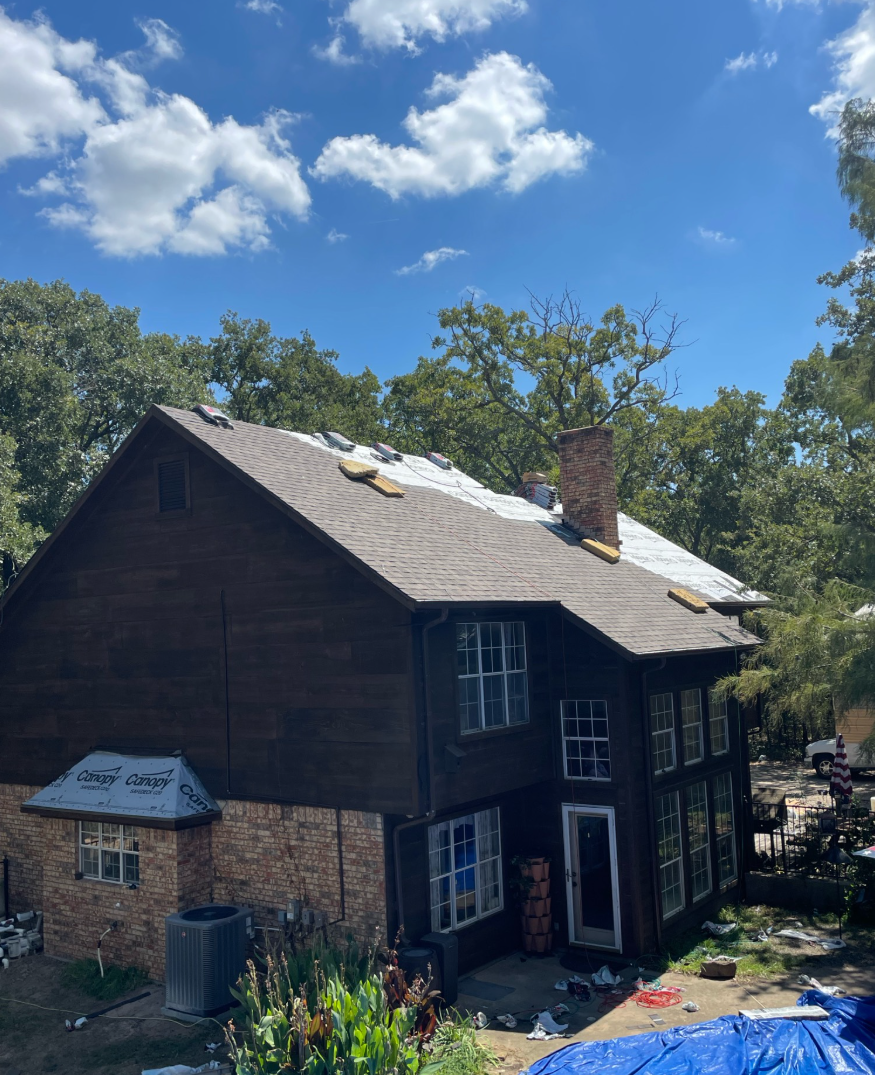
Are you faced with needing a new roof?

To the homeowner reading this, I'll be straight with you: I'm not a 30-year veteran. I've been in roofing and insurance claims for 4 years — involved in 83 jobs from first inspection all the way through final payment, including the full claims and supplement process on every one. I'm based in North Texas — serving homeowners in Melissa, McKinney, Frisco, Dallas, and the surrounding area. I know the storms that come through here, I know the local codes, and I know what adjusters in this market look for. What I learned in those 4 years would take most homeowners a lifetime to figure out on their own. That's exactly why I wrote this. The moment that changed everything: I reviewed an insurance estimate for a homeowner who thought everything looked fine. Line by line, I found nearly $30,000 in missed and underpaid items. Adjusters review dozens of claims a week — at that pace, missing line items is common. That's exactly my job: catch everything that was missed, document it thoroughly, and get it approved. The homeowner had their money within a week. The problem isn't that insurance companies are evil. The problem is that homeowners don't know what they don't know. They get a document full of industry jargon, a check that feels significant, and assume the system worked. Whether you choose to work with me or someone else entirely — the information in this guide will protect you either way. That's the point. Read it all. Use the checklist. And if you have questions — reach out directly. That offer is real.